
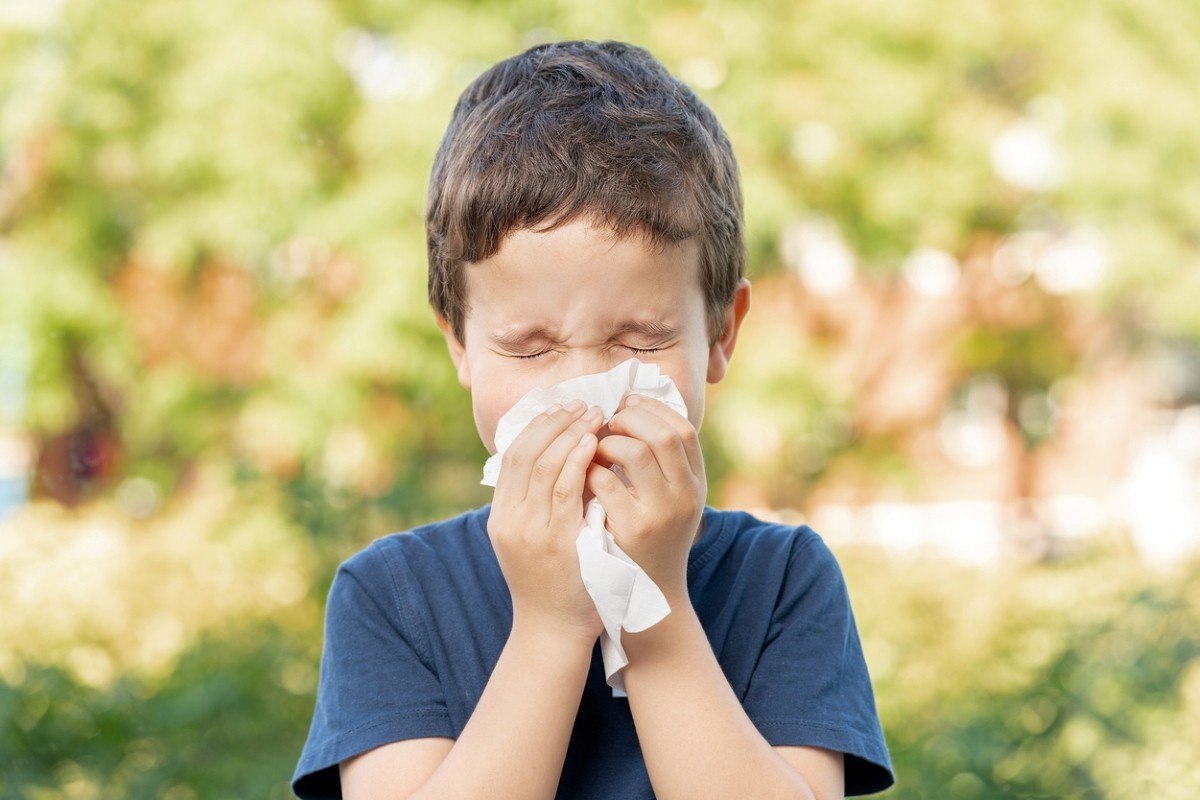
Managing childhood allergies and asthma can be challenging, especially when symptoms escalate unexpectedly. Knowing how to handle these conditions at home and recognizing when urgent care is needed can make a significant difference in your child’s comfort and well-being. Here’s a practical guide on managing childhood allergies and asthma attacks, with advice on when to seek professional care.
Understanding Childhood Allergies and Asthma
Allergies and asthma are common in children, and they often overlap. Here’s a quick overview:
- Allergies: Allergic reactions occur when the immune system responds to harmless substances like pollen, dust, or pet dander. Common symptoms include sneezing, itchy eyes, rashes, and a runny nose.
- Asthma: Asthma is a chronic respiratory condition that causes inflammation and narrowing of the airways. Triggers can include allergens, cold air, exercise, and respiratory infections. Symptoms include coughing, wheezing, shortness of breath, and chest tightness.
Understanding these conditions helps in recognizing symptoms, managing triggers, and knowing when to seek help.
At-Home Management for Allergies and Asthma
Managing allergies and asthma starts at home, where you can reduce exposure to triggers and provide supportive care during mild episodes. Here are some tips:
- Identify and Avoid Triggers: Observe what triggers your child’s symptoms. For allergies, this could be pollen, dust, or specific foods. For asthma, it may include exercise, smoke, or cold air. Avoiding known triggers can prevent or reduce symptoms.
- Create a Medication Routine: Work with your child’s healthcare provider to establish a routine for allergy or asthma medications, such as antihistamines, inhalers, or nebulizers. Regular use of prescribed preventive medications can help manage symptoms.
- Use an Air Purifier: Air purifiers can help remove allergens like dust, pet dander, and pollen from the air, providing a cleaner breathing environment.
- Stay Prepared with an Action Plan: Develop an asthma or allergy action plan with your healthcare provider. This plan should outline steps to take during symptom flare-ups and when to seek medical care.
These steps can help you create a safe, comfortable environment for your child, minimizing exposure to triggers and managing mild symptoms effectively.
Recognizing Signs of an Allergic Reaction
Allergic reactions vary in severity. While mild reactions are manageable at home, severe symptoms require urgent attention. Here’s what to watch for:
- Mild Symptoms: Sneezing, runny nose, mild itching, or a rash. These symptoms are often manageable with over-the-counter medications like antihistamines.
- Moderate Symptoms: Swelling around the eyes or lips, hives, or increased itchiness. These may require closer monitoring and, if needed, a visit to urgent care for supportive treatment.
- Severe Symptoms (Anaphylaxis): Anaphylaxis is a life-threatening reaction that requires immediate medical care. Symptoms include difficulty breathing, tightness in the throat, rapid pulse, dizziness, and swelling of the face or tongue. Use an epinephrine auto-injector if available, and go to the nearest emergency room immediately.
Being aware of these signs helps you respond quickly and appropriately to allergic reactions, ensuring your child’s safety.
Recognizing Symptoms of an Asthma Attack
Asthma attacks can be frightening, especially for children. Knowing the signs of an asthma attack and how to respond can make a big difference. Here are the symptoms to look out for:
- Mild Symptoms: Slight wheezing, shortness of breath, or tightness in the chest. These symptoms may be relieved by a rescue inhaler or nebulizer at home.
- Moderate Symptoms: Persistent wheezing, difficulty speaking in full sentences, or noticeable shortness of breath even while resting. These signs suggest it’s time to seek urgent care, as medical support may be needed to manage the symptoms.
- Severe Symptoms: Extreme difficulty breathing, blue lips or fingernails, confusion, or drowsiness. These are signs of a severe asthma attack that requires immediate emergency attention.
If you recognize moderate or severe symptoms, seeking urgent care can provide your child with quick, effective treatment.
When to Visit Urgent Care for Allergies or Asthma
Urgent care is an excellent option for managing non-life-threatening allergy or asthma symptoms that require immediate attention. Here’s when a visit to A+ Family Urgent Care is beneficial:
- Worsening Allergy Symptoms: If your child’s allergy symptoms are more intense than usual, and over-the-counter medications aren’t providing relief, urgent care can help by providing antihistamines, steroids, or other treatments.
- Persistent Wheezing or Shortness of Breath: For asthma symptoms that don’t improve with a rescue inhaler or nebulizer, urgent care can assess and provide additional medications or breathing treatments to ease symptoms.
- Increased Mucus Production: If your child’s asthma symptoms include excessive mucus, this can make breathing difficult. Urgent care can help with treatments to open the airways and reduce inflammation.
- Mild to Moderate Allergic Reactions: For allergic reactions that cause swelling, hives, or discomfort but don’t seem life-threatening, urgent care provides timely relief and monitoring to ensure symptoms don’t escalate.
A+ Family Urgent Care offers professional, compassionate care to help you manage these symptoms, providing peace of mind for you and your child.
Treatment Options for Allergies and Asthma at Urgent Care
At A+ Family Urgent Care, we offer a range of treatment options tailored to childhood allergies and asthma symptoms. Here’s what you can expect:
- Antihistamines and Steroids: For allergy symptoms, we can provide stronger antihistamines or corticosteroids to reduce inflammation and relieve symptoms quickly.
- Breathing Treatments: For asthma flare-ups, nebulizer treatments help open the airways, making breathing easier and providing relief from tightness or wheezing.
- Observation and Support: Our team will monitor your child to ensure that symptoms improve and will provide guidance on managing allergies and asthma at home.
Our goal is to provide effective, fast treatment for your child’s symptoms, allowing you to leave with a clear plan for continued care.
Preventive Tips for Managing Childhood Allergies and Asthma
Prevention is a vital part of managing allergies and asthma, helping to reduce the frequency and severity of symptoms. Here are some practical tips:
- Limit Outdoor Exposure During High Pollen Days: Check the daily pollen count, and keep your child indoors on days when levels are high.
- Wash Hands and Face Regularly: This can reduce exposure to allergens like pollen or dust, especially after outdoor activities.
- Clean and Dust Regularly: Regular cleaning can reduce indoor allergens like dust mites and pet dander, making the home environment more comfortable for your child.
- Use Allergen-Proof Bedding: Allergen-proof covers for pillows and mattresses help limit dust mite exposure and improve sleep quality.
- Encourage Physical Activity: Staying active strengthens the lungs, which can help reduce asthma symptoms over time. Make sure your child has their inhaler on hand if needed.
Following these tips helps create a safer, more comfortable environment for your child, reducing the likelihood of allergy or asthma flare-ups.
Why Urgent Care Is the Right Choice for Non-Life-Threatening Allergy and Asthma Symptoms
For symptoms that are not immediately life-threatening, urgent care offers several advantages over emergency rooms:
- Shorter Wait Times: Unlike the ER, urgent care has shorter wait times, allowing your child to receive prompt treatment and return home sooner.
- Lower Costs: Urgent care is more affordable than emergency rooms, making it a practical choice for allergy or asthma issues that don’t require critical care.
- Flexible Hours and Walk-In Availability: A+ Family Urgent Care offers extended hours and walk-in options, so you can get help when it’s needed, even during evenings or weekends.
Choosing urgent care for non-life-threatening symptoms offers effective, affordable treatment without the lengthy wait times associated with the ER.
Visit A+ Family Urgent Care for Effective Allergy and Asthma Relief
At A+ Family Urgent Care, we understand how challenging managing allergies and asthma can be, especially for children. Our team is here to provide compassionate, professional care to ease symptoms, monitor your child’s condition, and support their overall health.
Stop by today and let us help you navigate allergy and asthma care with ease and confidence! We’re here to provide the reliable, child-friendly care you need when symptoms arise.