
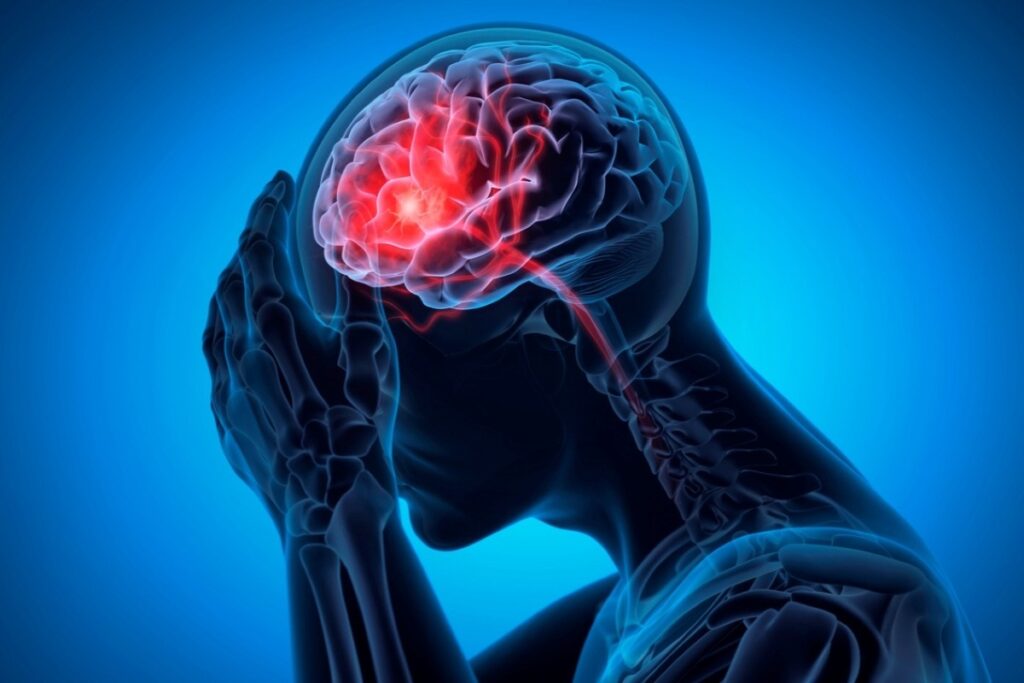
A headache that will not let up, pressure behind your eyes, or a migraine that hits harder than usual can leave you wondering whether to wait it out or get checked. Most headaches respond to rest, hydration, and over-the-counter pain relief. But when the pain is severe, unfamiliar, or accompanied by other symptoms, it can be hard to know if something more serious is going on.
Urgent care is a good option when a headache needs evaluation but is not an emergency. You can get a same-day visit, a clinical assessment, and guidance on treatment or next steps without the long wait or high cost of an emergency room.
Why Urgent Care Makes Sense For Headache Evaluation
The goal of an urgent care visit is to figure out what is causing your symptoms and whether further treatment is needed. Most headaches are not dangerous, but some patterns deserve a closer look. A clinician can review your symptoms, check for warning signs, and help determine whether the headache is something routine or something that needs additional workup.
At urgent care, you can also get relief. If over-the-counter medications are not working, a provider may be able to offer stronger options or guide you toward a treatment plan that fits your situation.
Signs You Should Go To Urgent Care For A Headache
You do not need medical care for every headache. These signs suggest an urgent care visit is a good idea:
- A headache that is more intense than anything you have experienced before
- Pain that does not improve with rest, fluids, and over-the-counter medication
- A headache lasting more than 48 hours without relief
- Headache with a stiff neck, fever, or sensitivity to light
- Pain that worsens when you bend over, cough, or strain
- A new headache pattern that feels different from what you normally get
- Headaches that are becoming more frequent or more severe over time
- A migraine that lasts longer than usual or does not respond to your typical treatment
If any of these fit your situation, an evaluation can help rule out underlying issues and get you on the right path.
Common Headache Types We See At Urgent Care
Tension Headaches
Tension headaches are the most common type. They often feel like a band of pressure around the head and may be triggered by stress, poor posture, lack of sleep, or dehydration. Most respond well to rest and pain relievers, but if yours is lingering or recurring frequently, it may be worth discussing with a provider.
Migraines
Migraines are more than just bad headaches. They often come with throbbing pain on one side of the head, sensitivity to light and sound, nausea, and sometimes visual disturbances. Tampa’s bright sunlight, humidity, and barometric pressure changes can all be migraine triggers. If your usual approach is not working or migraines are becoming more frequent, urgent care can help with symptom relief and discuss prevention strategies.
Sinus Headaches
Sinus headaches cause pressure and pain around the forehead, cheeks, and eyes. They often accompany sinus congestion or infection. In Tampa, year-round allergies and humidity can contribute to ongoing sinus issues. If you have facial pain with thick nasal discharge or a headache that follows a cold, it may be worth getting checked.
Dehydration And Heat-Related Headaches
Tampa’s heat and humidity can lead to dehydration faster than you realize, especially if you spend time outdoors. Dehydration headaches are common and usually improve with fluids. If you also feel dizzy, fatigued, or have been in the heat for an extended period, urgent care can evaluate whether you need additional support. Understanding how Tampa’s climate affects your health can help you prevent these issues.
What To Try At Home First
If your headache seems mild and there are no red flags, you can often manage it at home. Rest in a cool, dark room. Drink plenty of water. Use over-the-counter pain relievers like ibuprofen or acetaminophen as directed. A cold compress on the forehead or neck may help with migraines.
If symptoms are improving, you may not need a visit. If the headache returns, worsens, or does not respond to your usual remedies, it is time to be seen.
What To Expect At Your Urgent Care Visit
A headache visit is usually straightforward.
First, you will talk through your symptoms, how long the headache has lasted, what makes it better or worse, and whether you have experienced anything similar before. Your medical history and any medications you take will also be reviewed.
Next, a clinician will perform an exam. This may include checking your vital signs, looking at your eyes, and assessing your neck and neurological function. The goal is to identify any warning signs and determine the most likely cause.
If treatment is appropriate, it may include prescription medication, an injection for migraine relief, IV fluids for dehydration, or guidance on managing symptoms at home. You should leave with a clear plan for follow-up if the headache continues.
When To Go Straight To The ER
Some headaches signal a medical emergency. Knowing when to choose urgent care versus the ER matters. Go to the ER right away if you have:
- A sudden, severe headache that peaks within seconds, often described as the worst headache of your life
- Headache with confusion, difficulty speaking, or weakness on one side of the body
- Headache after a head injury, especially with loss of consciousness or vomiting
- Headache with a high fever, stiff neck, and sensitivity to light
- Vision changes, double vision, or loss of vision with headache
- Headache with seizures or fainting
These symptoms can indicate serious conditions like stroke, meningitis, or bleeding in the brain and require emergency-level care.
Get Relief And A Clear Plan
Most headaches are not dangerous, but that does not mean you have to suffer through them. If your headache is severe, lasting longer than usual, or not responding to what normally works, getting evaluated can help you find relief and rule out anything more serious.
A+ Family Urgent Care in South Tampa can assess your symptoms, provide treatment, and help determine the right next step. Walk in or book an appointment today.