
Cuts and wounds are a part of life, but when they become infected, they require extra attention. Knowing the signs of an infection, how to care for an infected wound, and when to seek urgent care can make all the difference in a smooth, safe recovery. Here’s your guide to understanding infected cuts and wounds, with practical advice and insights on why urgent care is an ideal solution for treatment.
Recognizing Symptoms of an Infected Wound
Infections can develop in wounds if bacteria enter through broken skin. Here are common signs that a cut or wound might be infected:
- Increased Redness and Swelling: While some redness is normal around a healing wound, significant or expanding redness could indicate infection. Swelling that doesn’t subside or worsens may also signal a problem.
- Pain That Gets Worse: Pain that intensifies rather than diminishes over time is often a sign of infection. You might feel throbbing or burning around the wound.
- Pus or Discharge: A clear sign of infection is pus or discharge from the wound, particularly if it’s yellow or green and has an unpleasant odor.
- Warmth Around the Area: An infected wound often feels warmer than surrounding skin as your body responds to the bacteria.
- Fever or Chills: When an infection is more severe, it may lead to fever, chills, and general discomfort as your body tries to fight it.
If you’re experiencing any of these symptoms, consider visiting urgent care for a professional assessment to prevent the infection from spreading.
First Steps: Self-Care for Infected Cuts or Wounds
While minor infections might be managed at home, proper self-care can help prevent worsening. Here are some steps to take if you notice signs of infection:
- Clean the Wound Carefully: Rinse the wound gently with clean water, then use a mild soap around the area (not directly on the wound) to remove any bacteria on the skin’s surface. Avoid scrubbing, as this can irritate the wound.
- Apply an Antibiotic Ointment: Over-the-counter antibiotic ointments can help slow bacterial growth and support healing. Apply a thin layer to the affected area.
- Cover with a Sterile Bandage: Use a clean, non-stick bandage to protect the wound from dirt and bacteria. Change the dressing daily, or more often if it gets wet or dirty.
- Keep the Wound Elevated: If the infected area is on an arm or leg, elevating it can reduce swelling and pain.
- Avoid Squeezing or Pressing on the Wound: Trying to squeeze out pus or discharge can push bacteria deeper into the skin and worsen the infection.
If the infection doesn’t improve within a day or two, or if symptoms worsen, visiting an urgent care center like A+ Family Urgent Care is a wise choice to prevent complications.
When to Seek Urgent Care for an Infected Wound
Certain symptoms indicate that an infection needs professional treatment. Here’s when it’s time to go to urgent care:
- Increasing Pain or Swelling: If pain intensifies or the swelling gets worse, a visit to urgent care can help control the infection before it becomes more severe.
- Spreading Redness: When the redness around the wound is spreading or forming red streaks, it’s a sign that the infection may be moving into deeper tissue or bloodstream.
- Fever or Body Aches: Fever and chills suggest that your body is fighting off a serious infection, which can benefit from urgent medical intervention.
- Persistent Pus or Discharge: Wounds that continue to ooze pus or have foul-smelling discharge need to be evaluated and treated professionally.
Urgent care can assess the infection, provide necessary treatment, and give you peace of mind by ensuring the wound is on the right path to recovery.
Treatment Options for Infected Cuts and Wounds at Urgent Care
At A+ Family Urgent Care, we offer a range of treatment options for infected wounds, helping to reduce pain, prevent complications, and speed up healing. Here’s what you can expect:
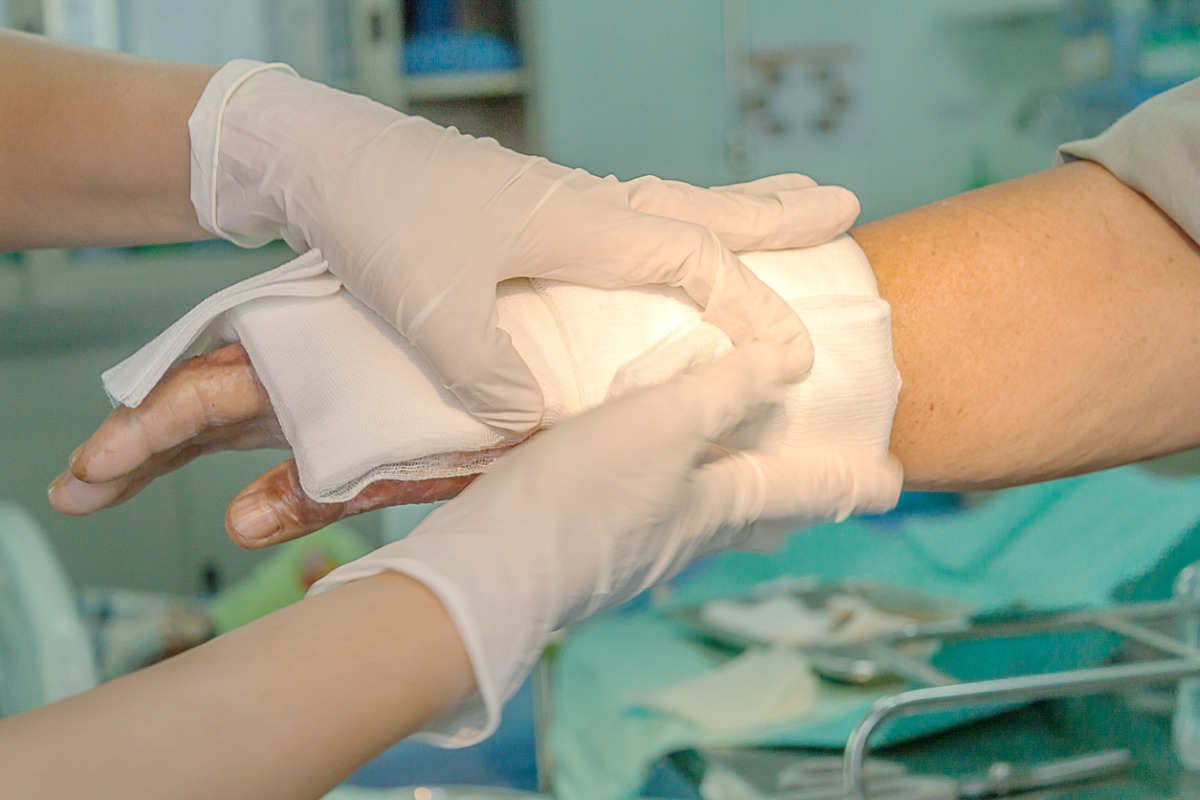
- Wound Cleaning and Dressing: Our medical team will clean the infected area thoroughly, removing debris and bacteria that may be worsening the infection. A sterile dressing will then be applied to keep the wound protected.
- Antibiotic Treatment: For many infections, a topical antibiotic is enough, but we may prescribe oral antibiotics if the infection is more advanced. This helps control bacteria and prevent the infection from spreading.
- Pain Management: Infected wounds can be painful, and we provide options for safe pain relief to make the recovery process more comfortable.
- Tetanus Shots: If your wound was caused by a dirty or rusty object, we may recommend a tetanus shot to prevent tetanus infection, especially if your vaccination is not up to date.
Our team at A+ Family Urgent Care will ensure you receive a personalized care plan that addresses your specific needs, promoting faster and safer healing.
Tips for Preventing Wound Infections
Preventing infections before they start is the best way to support a fast recovery from cuts and wounds. Follow these tips to help keep wounds clean and protected:
- Wash Hands Before Touching Wounds: Our hands carry bacteria, so always wash them thoroughly before cleaning or changing a wound dressing.
- Avoid Using Harsh Chemicals: Products like hydrogen peroxide or alcohol can irritate the skin and delay healing. Stick to mild soap and water.
- Change Dressings Regularly: Keep the wound clean by changing dressings daily or more often if the bandage gets dirty or wet.
- Watch for Early Signs of Infection: The sooner you catch an infection, the easier it is to manage. Keep an eye on any cuts or wounds for redness, warmth, or swelling.
- Don’t Pick at Scabs: Scabs are part of your body’s natural healing process, so avoid picking or peeling them, as this can open the wound and introduce bacteria.
These simple steps can make a big difference in your wound care routine, reducing the risk of infection and promoting smoother healing.
Benefits of Choosing Urgent Care Over the ER for Wound Infections
For non-life-threatening infections, urgent care provides a faster and more affordable alternative to the emergency room. Here’s why urgent care is an excellent choice for treating infected wounds:
- Shorter Wait Times: Emergency rooms prioritize life-threatening conditions, meaning minor infections often face long wait times. Urgent care centers can treat these cases quickly and efficiently.
- Lower Costs: Urgent care is typically less expensive than ER visits, making it a more practical choice for non-emergency infections.
- Convenience and Accessibility: With walk-in flexibility, extended hours, and weekend availability, A+ Family Urgent Care makes it easy to get care that fits your schedule.
Choosing urgent care means you receive prompt, professional treatment without the stress and expense of an ER visit.
Scenarios: When Urgent Care is the Right Choice for Infected Cuts
Here are some common scenarios where visiting urgent care is beneficial:
- Infected Cut from a Kitchen Accident: If you cut yourself while cooking and it becomes red, swollen, and painful, urgent care can clean the wound, apply an antibiotic, and prevent further complications.
- Scrape from a Fall: A scrape that looks red and swollen a few days after a fall might be infected. A visit to urgent care can provide professional cleaning and treatment to prevent worsening.
- Minor Animal Bite: Even small animal bites can become infected, especially if they’re not cleaned immediately. Urgent care can assess the wound, clean it thoroughly, and provide necessary antibiotics.
Visit A+ Family Urgent Care for Fast, Reliable Infection Treatment
When it comes to treating infected cuts and wounds, A+ Family Urgent Care is here to provide prompt, effective care. Our team is dedicated to helping you heal safely, offering treatments that support faster recovery and peace of mind.
Visit us today to experience professional care tailored to your busy life! We’re ready to help you manage infected wounds with the quality and convenience you deserve.